Engineered & Hardwood Flooring in Phoenix, AZ
Natural warmth, character, and lasting value for homes and commercial interiors across the Greater Phoenix Area.
Wood Flooring Solutions
Professional Wood Floor Installation
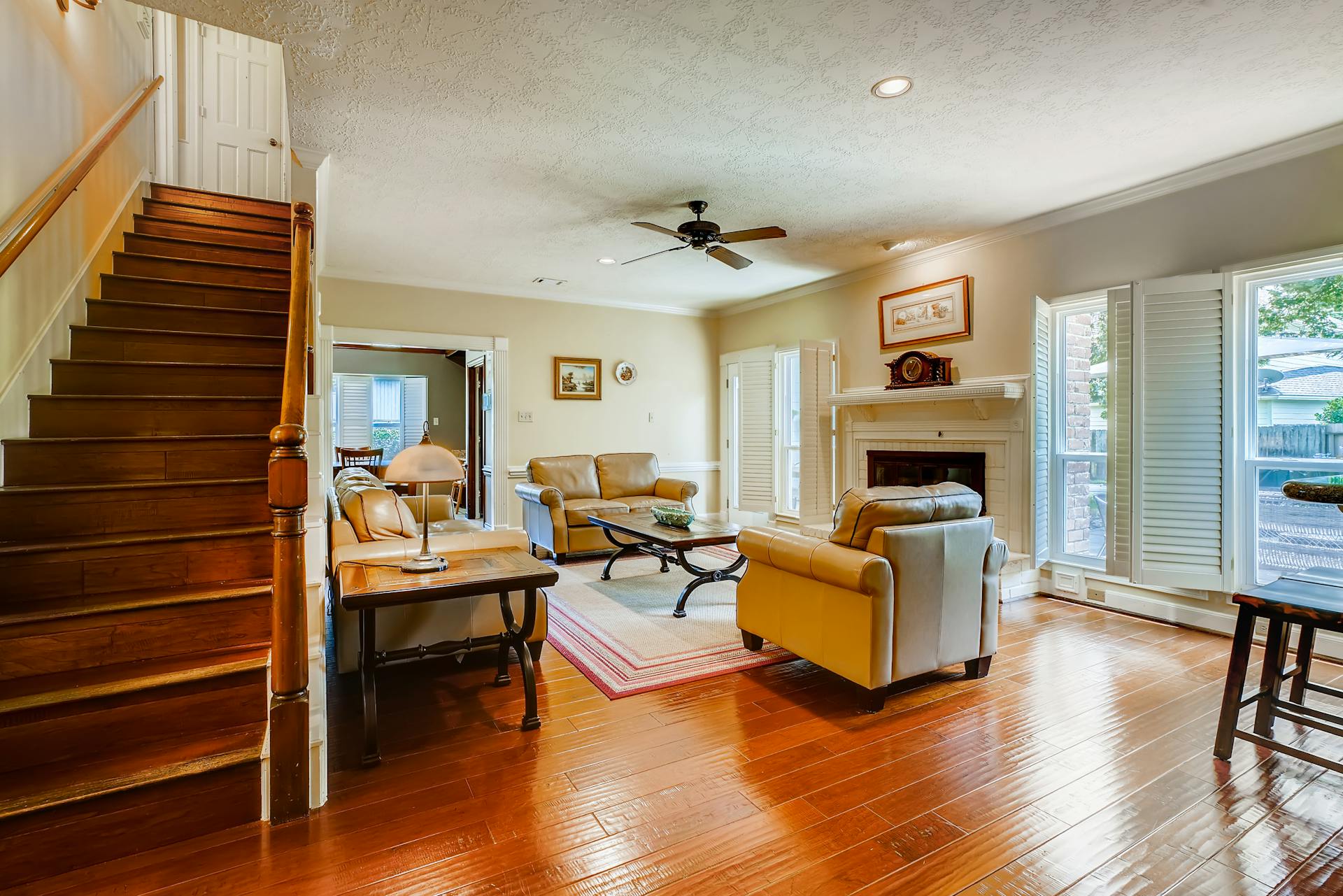
Wood flooring brings warmth, character, and lasting value to any space. Whether you choose solid hardwood or engineered wood, these floors combine natural beauty with durability and performance, making them a timeless choice for homes and commercial interiors alike.
Benefits
Why Choose Wood Flooring?
Timeless Beauty & Unique Character
No two wood floors are exactly alike. Natural grain patterns, color variations, and knots give every floor its own personality. From rustic charm to sleek modern elegance, wood flooring adapts beautifully to any design style.
Long-Lasting Durability
High-quality wood floors are built to last. With proper care, hardwood can last for decades and can often be refinished multiple times, extending its life even further.
Increased Home Value
Wood flooring is a sought-after feature that adds real value to your property. It's a smart investment that enhances both aesthetics and resale appeal.
Comfort & Performance
Wood floors feel solid underfoot, improve indoor air quality by reducing allergens, and work well in a variety of spaces. Engineered wood, in particular, offers enhanced stability in areas with fluctuating humidity.
Know the Difference
Solid Hardwood vs. Engineered Wood
Solid Hardwood Flooring
Solid hardwood is made from a single piece of wood, offering unmatched authenticity and longevity. It can be sanded and refinished multiple times, making it ideal for long-term use in living rooms, bedrooms, and dining areas.
Engineered Wood Flooring
Engineered wood consists of a real wood veneer layered over a high-performance plywood core. This construction provides superior stability, making it suitable for basements, concrete subfloors, and areas with moisture or temperature changes.
Our Process
Wood Flooring Installation Process
Installing a wood floor is a detailed process that ensures beauty, performance, and longevity.
Consultation & Selection
We help you choose the right wood type, species, finish, and installation method based on your space and lifestyle.
Subfloor Preparation
The subfloor is inspected, cleaned, leveled, and moisture-tested to ensure proper installation.
Acclimation
Wood flooring is allowed to adjust to the room's environment before installation to prevent warping and gaps.
Installation
The floor is installed using the appropriate method for your product and subfloor: nail-down, glue-down, or floating installation.
Finishing (if applicable)
Unfinished floors are sanded, stained, and sealed on-site for a custom look.
Final Inspection & Care Guidance
We ensure everything meets our standards and provide maintenance tips to protect your investment.
Installation Methods
Wood Flooring Installation Methods
Nail-Down Installation
Commonly used for solid hardwood, this method secures boards directly to a plywood subfloor using nails or staples. It creates a strong, traditional installation with a solid feel underfoot.
Glue-Down Installation
Ideal for engineered wood and concrete subfloors, glue-down installation provides excellent stability and reduces movement. This method is often used in commercial spaces or areas with high foot traffic.
Floating Installation
Floating floors are not attached to the subfloor but instead lock together over an underlayment. This method is quick, versatile, and works well for engineered wood over concrete or radiant heat systems.
Species & Options
Wood Species Options
Each wood species offers unique characteristics in color, grain, and hardness.
Oak (Red & White)
Classic, durable, and versatile
Maple
Smooth grain with a modern, clean look
Hickory
Bold character with dramatic color variation
Walnut
Rich, dark tones with refined elegance
Cherry
Warm hues that deepen beautifully over time
Exotic Woods
Distinctive patterns and colors for a truly unique floor
Finishing
Prefinished vs. Unfinished Wood Floors
Prefinished Wood Flooring
Prefinished floors are factory-finished for consistency and durability. They offer faster installation, minimal disruption, and a ready-to-use surface.
Unfinished Wood Flooring
Unfinished floors are sanded and finished on-site, allowing for complete customization of stain color and sheen. This option delivers a seamless, custom look.
Floor Finishing Options
Finishing protects your floor while enhancing its natural beauty.
- ✓Staining: Custom colors to match your design vision
- ✓Protective Coatings: Durable finishes that resist wear and moisture
- ✓Sheen Levels: Matte, satin, semi-gloss, or high-gloss for the perfect look
Protect Your Investment
Wood Floor Maintenance & Care
Proper maintenance keeps wood floors looking beautiful for decades.
Everyday Care
- ✓Sweep or vacuum regularly to remove dirt and grit
- ✓Use a damp (not wet) microfiber mop with a wood-floor-approved cleaner
- ✓Clean spills promptly to prevent moisture damage
Protecting Your Floors
- ✓Use felt pads under furniture legs
- ✓Place mats at entrances to trap dirt and moisture
- ✓Avoid walking on wood floors with cleats or high heels
Frequently Asked Questions
What is the difference between solid hardwood and engineered wood flooring?
Solid hardwood is made from a single piece of wood and can be sanded and refinished multiple times. Engineered wood has a real wood veneer over a plywood core, providing superior stability in areas with temperature and humidity changes. Engineered wood can be installed over concrete subfloors and is better suited for basements and radiant heat systems.
Can engineered hardwood be refinished?
Yes, most engineered hardwood can be refinished one to three times depending on the thickness of the wood veneer layer. Products with thicker veneers allow more sanding and refinishing over the life of the floor. Solid hardwood can typically be refinished more times than engineered wood.
What wood species is the most durable for flooring?
Hickory is one of the hardest and most durable domestic wood species for flooring, followed by maple and white oak. Exotic woods like Brazilian cherry and Santos mahogany are even harder. For high-traffic areas, we recommend species with higher Janka hardness ratings to resist dents and scratches.
Can engineered hardwood be installed in a basement?
Yes, engineered hardwood is well-suited for basements because its layered construction resists expansion and contraction from moisture and temperature changes. We recommend floating or glue-down installation methods over concrete subfloors. Proper moisture testing and mitigation are performed before installation to ensure long-term performance.
A Natural Choice for Lasting Style
Engineered and hardwood floors offer unmatched beauty, performance, and individuality. Contact us today to explore your options and bring the warmth and elegance of wood flooring into your space.